

Choosing the Right Siding for Midwest Weather

The Midwest climate can be unpredictable, with hot summers, freezing winters, and severe storms. Choosing the right siding is essential to protect your home while maintaining its appearance.


🌦️ Key Factors to Consider


1. Weather Resistance

Your siding should withstand temperature fluctuations, heavy rain, wind, and occasional hail.


2. Durability

Look for materials that resist cracking, warping, and moisture damage over time.


3. Energy Efficiency

Insulated siding can help regulate indoor temperatures and reduce energy costs throughout the year.


4. Maintenance Requirements

Some siding options require regular upkeep, while others offer low-maintenance convenience.


🏠 Popular Siding Options


Vinyl Siding

Affordable, versatile, and low maintenance—ideal for many homeowners.


Fiber Cement Siding

Highly durable and resistant to fire, pests, and extreme weather conditions.


Engineered Wood Siding

Offers a natural wood look with improved durability and moisture resistance.


💡 Final Thoughts


The right siding not only enhances curb appeal but also provides long-term protection for your home. Investing in quality materials ensures your home stays protected through every season.
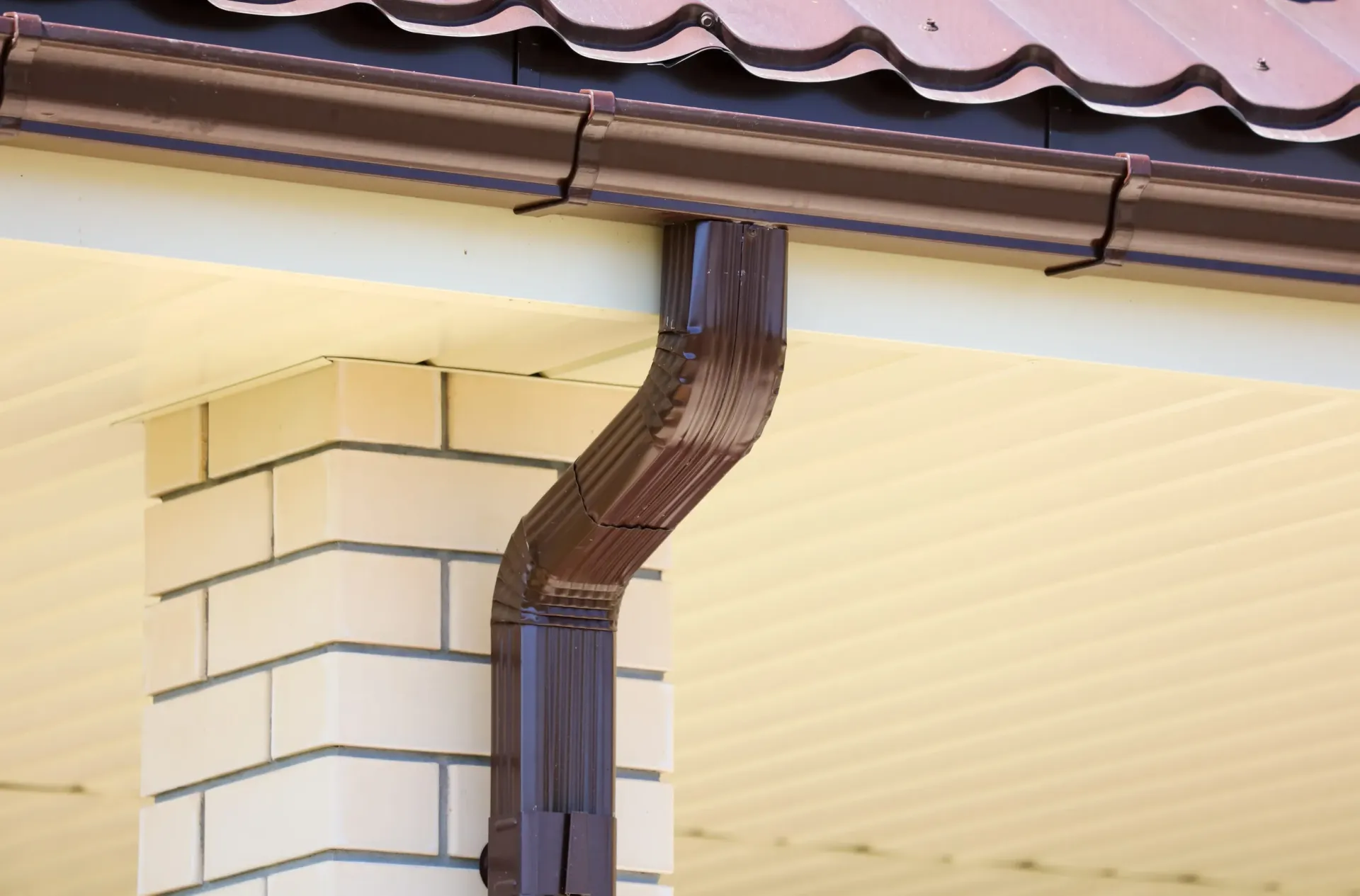
A brown metal gutter system attached to the roofline of a brick house.
By Niharika N March 24, 2026
Your gutter system plays a crucial role in protecting your home from water damage. Regular maintenance throughout the year helps ensure proper drainage and prevents costly repairs. 🍂 Spring & Fall: Clean and Clear Remove leaves, debris, and buildup from gutters and downspouts Check for clogs that may block water flow Inspect for sagging or loose sections ☀️ Summer: Inspect and Repair Look for cracks, rust, or leaks Ensure gutters are securely attached Check that water flows away from your foundation properly ❄️ Winter: Prevent Ice Dams Keep gutters clean before winter begins Ensure proper insulation in your attic Watch for ice buildup that can damage gutters and roofing 🔧 Pro Maintenance Tips Install gutter guards to reduce debris buildup Schedule regular inspections, especially after storms Address minor issues early before they turn into major problems ✅ Why It Matters Well-maintained gutters protect your roof, foundation, siding, and landscaping. A little seasonal care goes a long way in preventing expensive damage.
A black-tiled hip roof with a matching black rectangular chimney against a cloudy sky.
By technical June 20, 2021
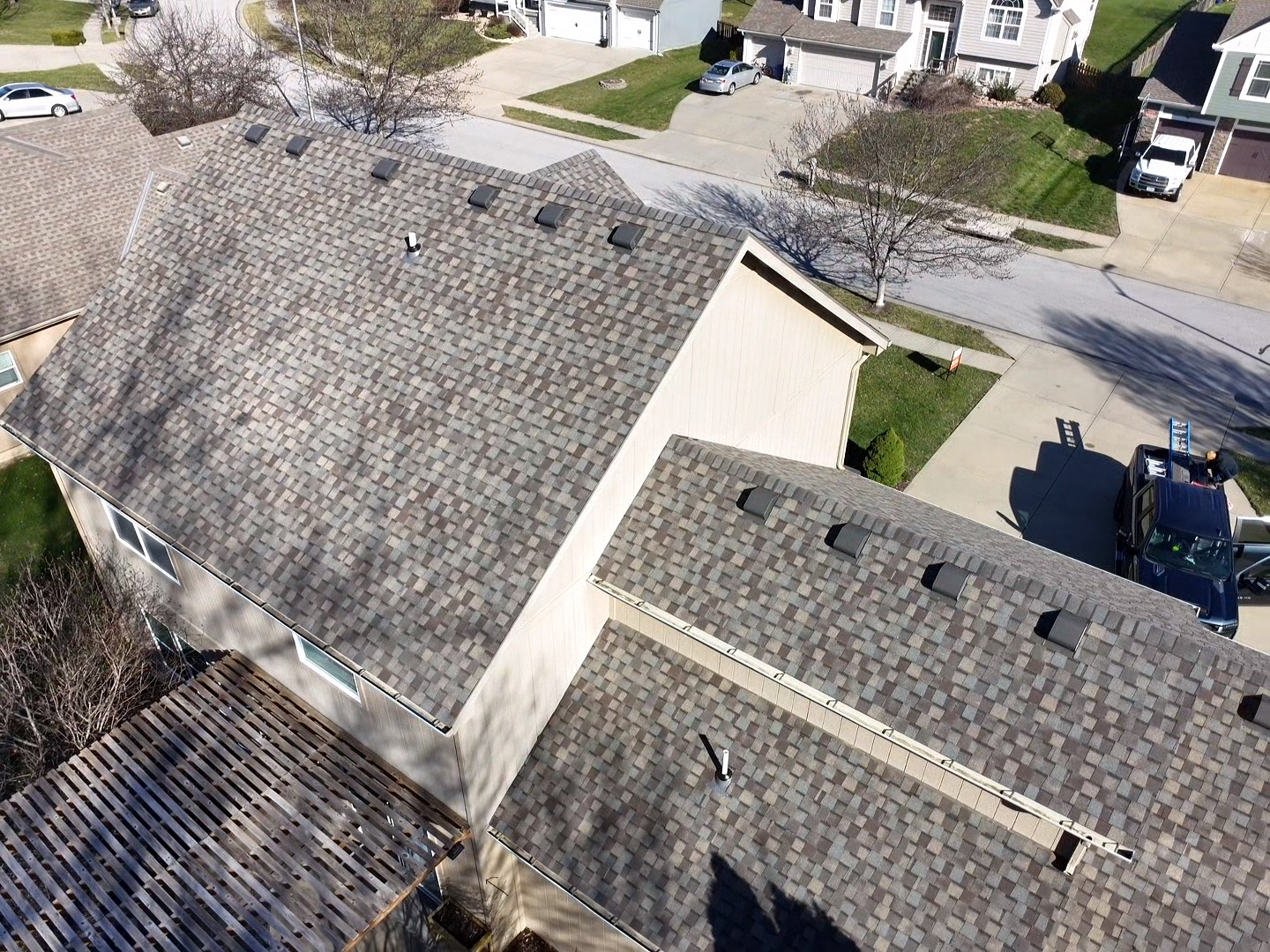
Storms can cause serious damage to your roof—even if everything looks fine from the ground. Identifying issues early can help prevent costly repairs and protect your home from further damage. 🔍 Common Signs to Look For 1. Missing or Damaged Shingles High winds can loosen or completely remove shingles, exposing your roof to water infiltration. 2. Leaks or Water Stains Check your ceilings and attic for water stains or damp spots. Even small leaks can lead to mold and structural issues. 3. Granules in Gutters If you notice excessive granules in your gutters, your shingles may be deteriorating due to storm impact. 4. Dents or Impact Marks Hailstorms often leave dents on shingles, vents, or flashing. These weak points can worsen over time. 5. Sagging Areas A sagging roofline may indicate trapped moisture or structural damage that needs immediate attention. ⚠️ Why Immediate Inspection Matters Delaying repairs can lead to more extensive damage, higher costs, and potential insurance complications. A professional inspection ensures all hidden issues are identified and addressed. ✅ What You Should Do Next  If your area recently experienced a storm, schedule a professional roof inspection as soon as possible. Early action can save you time, money, and stress.